


Why Am I Always Tired at 40? Causes, Solutions, and What Actually Helps
“Why am I always tired at 40?” — you are not imagining it, and you are absolutely not alone. Millions of adults hit their late 30s and 40s and notice something that feels almost impossible to explain: they are sleeping the same number of hours they always have, but waking up exhausted. They drag through the afternoon. They reach for the third cup of coffee before noon. And no matter how much rest they get, the fatigue just never fully lifts.
This is real. It is measurable. And it has causes — specific, identifiable reasons that have nothing to do with weakness or laziness.
According to the American Academy of Sleep Medicine, over 45% of adults report feeling tired or fatigued during the day at least several times per week. But after 40, fatigue takes on a different character. It becomes persistent. It affects your mood, your focus, your motivation, and your quality of life in ways that go far beyond just needing an early night.
In this article, you will learn exactly why fatigue deepens after 40, the most common root causes most doctors overlook, and — most importantly — what actually works to get your energy back.
Why Fatigue Feels Different After 40

Feeling tired is not new. But the fatigue that comes after 40 is qualitatively different from the tired you felt in your 20s after a late night out. Back then, a full weekend of sleep fixed everything. Now it doesn’t.
The reason is biology. Your body at 40 is not the same machine it was at 25. Multiple systems are shifting simultaneously — hormonal, metabolic, cellular, and neurological — and when these shifts overlap, the result is a kind of fatigue that rest alone cannot resolve.
This is not a personal failure. It is physiology.
LEARN MORE: Health and Longevity After 40: A Complete and Reliable Guide
The cellular energy problem
Every cell in your body produces energy through tiny structures called mitochondria. After 40, the number and efficiency of your mitochondria begin to decline. This process, well-documented in research published by the National Institutes of Health, means your body is literally generating less energy at the cellular level — even when you are doing everything right on the surface.
Mitochondrial decline is one of the most underappreciated reasons for age-related fatigue, and it is also one of the most actionable.
Hormonal shifts begin earlier than most people think
Most people associate hormone changes with menopause or andropause — events they imagine happening somewhere in the distant future. In reality, hormone levels begin shifting meaningfully in your late 30s and accelerate through your 40s.
For women, estrogen and progesterone fluctuations begin well before menopause, disrupting sleep architecture, body temperature regulation, and mood — all of which feed directly into fatigue. For men, testosterone decline averages about 1–2% per year after age 30, with compounding effects on energy, motivation, and stamina.
These are not catastrophic changes. But they are real, and they matter.
Why Am I Always Tired at 40? The 8 Most Common Causes
Understanding why you are tired is the first step to doing something about it. Here are the most significant contributors, ranked by how frequently they appear — and how often they go unaddressed.
1. Poor sleep quality (not just quantity)
This is the single most overlooked factor. Most tired people in their 40s are getting 6–8 hours of sleep. The problem is not the number — it is the quality.
Deep sleep (slow-wave sleep) and REM sleep are the phases where true restoration happens: cellular repair, memory consolidation, hormonal regulation. After 40, the proportion of deep sleep naturally decreases. You may spend 7 hours in bed and only 45 minutes in genuinely restorative sleep.
Common disruptors include alcohol (which fragments sleep architecture even in small amounts), screen light before bed, inconsistent sleep schedules, and emerging sleep apnea — which is significantly underdiagnosed in adults over 40, particularly women.
What helps: prioritizing sleep consistency over total hours, eliminating alcohol within 3 hours of bed, and asking your doctor about a sleep study if you wake unrefreshed regardless of hours slept.
2. Thyroid dysfunction
The thyroid is a small butterfly-shaped gland in your neck that regulates virtually every aspect of your metabolism. When it underperforms — a condition called hypothyroidism — the result is profound fatigue, brain fog, weight gain, and cold sensitivity.
Thyroid dysfunction becomes significantly more common after 40, particularly in women. The American Thyroid Association estimates that up to 20% of women over 40 have some degree of thyroid dysfunction, with many cases going undiagnosed for years because symptoms are attributed to stress or aging.
What helps: a simple blood test (TSH, Free T3, Free T4) can identify thyroid issues. If you have never had your thyroid checked and you are chronically tired, this is one of the first things to rule out.
3. Iron deficiency and anemia
Iron is essential for producing hemoglobin, the protein that carries oxygen through your bloodstream. Without adequate iron, your body’s tissues are constantly oxygen-deprived — which translates directly into fatigue, breathlessness, and difficulty concentrating.
Iron deficiency is the most common nutritional deficiency worldwide, and women in perimenopause are particularly vulnerable due to heavier or irregular periods during hormonal transition.
What helps: blood work measuring serum ferritin (not just hemoglobin) is the most accurate test. Ferritin levels below 30 ng/mL are associated with fatigue even without clinical anemia. Iron-rich foods and targeted supplementation under medical guidance can produce dramatic improvements.
4. Vitamin D deficiency
Vitamin D behaves less like a vitamin and more like a hormone. It is involved in immune function, muscle strength, mood regulation, and energy metabolism. Deficiency is extraordinarily common — some estimates suggest that over 40% of American adults are deficient.
After 40, skin produces vitamin D from sunlight less efficiently, dietary intake is rarely sufficient, and absorption decreases. The result is a low-grade deficiency that manifests as persistent fatigue, muscle weakness, and low mood.
What helps: blood testing (25-hydroxyvitamin D) identifies deficiency accurately. Supplementation with vitamin D3 alongside K2 (to support calcium metabolism) is well-tolerated and often produces noticeable energy improvements within weeks.
5. Chronic stress and cortisol dysregulation
Stress is not just psychological. Chronic stress triggers sustained release of cortisol, your body’s primary stress hormone. In the short term, cortisol is energizing and protective. In the long term, persistently elevated cortisol disrupts sleep, depletes adrenal function, impairs thyroid activity, and creates a state of fatigue that feels simultaneously wired and exhausted.
Many adults in their 40s live in a state of chronic low-grade cortisol elevation — driven by work pressure, family responsibilities, financial stress, and the accumulated demands of midlife — without recognizing the physiological toll it is taking.
What helps: the research on cortisol regulation consistently supports three interventions: consistent aerobic exercise (which lowers baseline cortisol over time), mindfulness-based stress reduction (which has been shown in multiple clinical trials to reduce cortisol levels), and adequate sleep. Adaptogenic herbs like ashwagandha have also demonstrated cortisol-lowering effects in peer-reviewed studies.
6. Nutritional gaps and blood sugar instability
After 40, the body becomes less efficient at absorbing and utilizing certain key nutrients — particularly B vitamins, magnesium, and coenzyme Q10. Each of these plays a direct role in cellular energy production.
B12 deficiency, in particular, is strongly associated with fatigue and neurological symptoms. Magnesium deficiency — which affects an estimated 50% of Americans — impairs sleep quality, muscle recovery, and energy metabolism simultaneously.
Blood sugar instability is another underappreciated driver. Eating patterns that cause rapid glucose spikes followed by crashes create cycles of energy and fatigue throughout the day. After 40, insulin sensitivity naturally decreases, making these swings more pronounced.
What helps: a diet anchored in protein, healthy fats, fiber, and complex carbohydrates stabilizes blood sugar. Targeted supplementation with a high-quality B-complex, magnesium glycinate, and CoQ10 addresses the most common nutritional drivers of fatigue.
7. Sedentary lifestyle (the fatigue paradox)

This feels counterintuitive: when you are exhausted, the last thing you want to do is exercise. But physical inactivity is both a cause and a consequence of fatigue — creating a cycle that deepens over time.
Moderate, consistent exercise increases mitochondrial density, improves sleep quality, regulates cortisol, enhances insulin sensitivity, and boosts the production of BDNF (brain-derived neurotrophic factor) — a protein that improves mood, cognition, and mental energy.
A landmark study published in the journal Psychotherapy and Psychosomatics found that sedentary individuals who began a regular low-to-moderate exercise program reported a 65% improvement in energy levels and a 65% reduction in fatigue over six weeks.
What helps: you do not need intense exercise. Walking 30 minutes daily, resistance training twice a week, and gentle mobility work are enough to meaningfully shift energy levels within weeks.
8. Unaddressed mental health factors
Depression and anxiety are among the most common — and most underdiagnosed — causes of fatigue in midlife adults. Both conditions are deeply physiological, not simply emotional, and both produce fatigue that is indistinguishable from physical tiredness.
Perimenopause-related hormonal changes significantly increase the risk of depression and anxiety in women. Life transitions common to the 40s — career changes, children leaving home, aging parents, relationship shifts — create fertile ground for mood disorders that manifest primarily as exhaustion.
What helps: if fatigue is accompanied by persistent low mood, loss of interest, or anxiety, please speak with a healthcare provider. Therapy, medication, and lifestyle interventions are all effective — and fatigue responds dramatically to treatment when a mood disorder is the underlying cause.
What Actually Works: A Practical Energy Recovery Plan
Understanding the causes is essential. But what you want — what you deserve — is a clear path forward. Here is what the evidence consistently supports for adults in their 40s and 50s who want their energy back.
Start with blood work
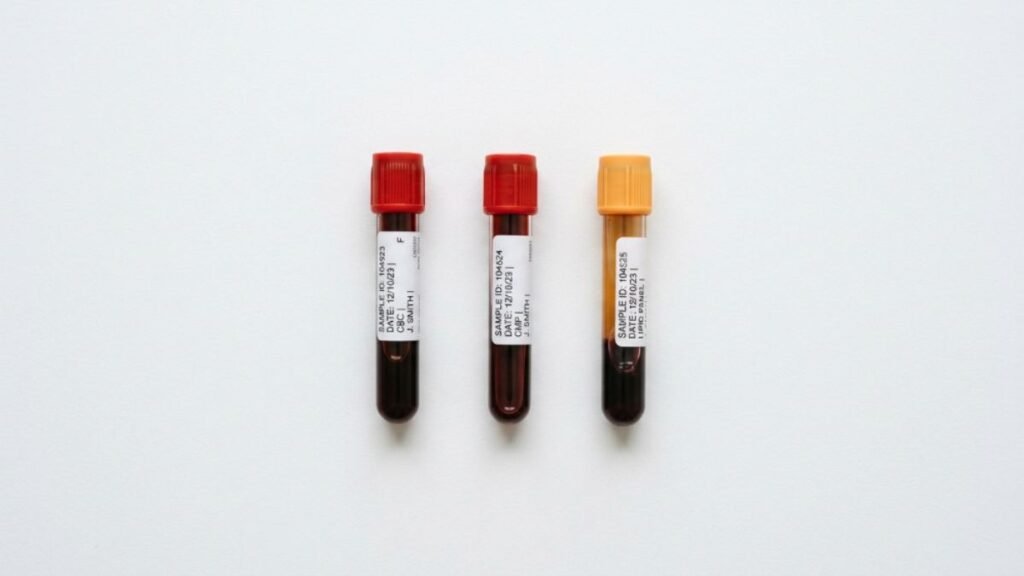
Before spending money on supplements or overhauling your diet, get a baseline blood panel. Ask your doctor for:
- TSH, Free T3, Free T4 (thyroid)
- Serum ferritin and complete blood count (iron and anemia)
- 25-hydroxyvitamin D
- Fasting glucose and HbA1c (blood sugar)
- B12 and folate
- Comprehensive metabolic panel
This takes one appointment and one blood draw. The results will tell you which of the causes above actually apply to you — so you are not guessing.
Rebuild your sleep foundation
Sleep is not a luxury. It is the foundation on which every other energy intervention rests. If your sleep is broken, nothing else works as well as it should.
Practical sleep upgrades that have strong evidence:
- Keep a consistent sleep and wake time — even on weekends
- Make your bedroom cold (65–68°F is optimal for most adults)
- Eliminate screens 60 minutes before bed, or use blue-light blocking glasses
- Avoid alcohol within 3 hours of bedtime
- Consider magnesium glycinate (200–400mg) 30–60 minutes before sleep — it has a well-established role in supporting sleep quality and reducing nighttime waking
Address the nutritional foundation
Whole foods come first. A diet rich in leafy greens, quality protein, healthy fats (avocado, olive oil, fatty fish), and fiber provides the raw materials your cells need to produce energy.
Beyond food, these supplements have the strongest evidence base for fatigue in midlife adults:
| Supplement | Why it helps | Typical dose |
|---|---|---|
| Magnesium glycinate | Sleep, muscle recovery, energy metabolism | 200–400mg before bed |
| Vitamin D3 + K2 | Immune function, mood, energy | 2,000–5,000 IU D3 + 100mcg K2 |
| B-complex (methylated) | Cellular energy production, nervous system | Per label |
| Coenzyme Q10 | Mitochondrial energy production | 100–200mg with food |
| Ashwagandha | Cortisol regulation, stress resilience | 300–600mg KSM-66 extract |
Always consult your healthcare provider before beginning supplementation, particularly if you take medications.

Move your body — gently and consistently
You do not need to train like an athlete. You need to move regularly. For fatigued adults in their 40s, the best approach is:
- 20–30 minutes of brisk walking daily
- 2 resistance training sessions per week (bodyweight is fine)
- Gentle stretching or yoga to support recovery and cortisol regulation
Start smaller than you think you need to. Consistency over intensity is the principle that actually works for energy restoration.
Manage stress as a biological priority
Stress management is not optional for energy recovery — it is core to the process. Chronic cortisol elevation will undermine every other intervention you try.
Practices with the strongest evidence for cortisol regulation:
- Daily mindfulness meditation (even 10 minutes produces measurable cortisol reductions)
- Breathwork techniques, particularly 4-7-8 breathing
- Time in nature — forest bathing has been shown to lower cortisol and improve subjective energy
- Social connection — loneliness is a significant driver of cortisol dysregulation
When to See a Doctor
Most fatigue after 40 responds well to the lifestyle and nutritional strategies above. But some fatigue signals something that requires medical evaluation. Please see your healthcare provider promptly if:
- Your fatigue is severe and has persisted for more than 6 weeks without improvement
- You experience fatigue alongside unexplained weight loss, night sweats, or swollen lymph nodes
- You wake up gasping, snoring loudly, or with a headache — these are signs of sleep apnea
- Fatigue is accompanied by significant depression, anxiety, or loss of interest in daily life
- You have not had a comprehensive blood panel in the past year
There is no award for toughing it out. Getting checked is the smart move.
A Real-Life Scenario: What Energy Recovery Looks Like
Consider Sarah, a 44-year-old teacher and mother of two. She had been waking up exhausted for three years, relying on coffee to get through her mornings and struggling to stay present in the evenings with her family. She assumed it was just life — too much stress, too many responsibilities, the price of being in her 40s.
After finally getting blood work done, her doctor found serum ferritin of 18 ng/mL, vitamin D of 21 ng/mL (deficient), and subclinical hypothyroidism. Three months of targeted supplementation, improved sleep habits, and a 20-minute daily walk produced a transformation she described as “getting my life back.”
Her story is not unusual. It is, in fact, extremely common. The fatigue you are living with is not inevitable — it is, in most cases, addressable.
Conclusion
Feeling constantly tired after 40 is one of the most common health complaints of midlife — and one of the most solvable. Your fatigue almost certainly has real, measurable causes: hormonal shifts, nutritional gaps, sleep quality issues, or chronic stress that has quietly accumulated over years.
The good news is that each of these causes responds to targeted, evidence-based intervention. Start with blood work to understand your specific picture. Prioritize sleep quality over quantity. Fill nutritional gaps with the supplements that have the strongest evidence base. Move your body gently and consistently. Manage stress as a biological priority, not an afterthought.
You do not have to accept exhaustion as the price of getting older. Your energy is recoverable — and the steps to get there are far more accessible than most people realize. You deserve to feel like yourself again.
Frequently Asked Questions
Is it normal to be tired all the time at 40?
Persistent fatigue is extremely common in adults in their 40s, but it is not something you simply have to accept. While some energy decline is a natural part of aging, constant exhaustion usually has identifiable causes — hormonal changes, nutritional deficiencies, poor sleep quality, or chronic stress — that can be addressed effectively with the right approach.
What deficiencies cause fatigue in adults over 40?
The most common nutritional deficiencies linked to fatigue in midlife adults are iron (particularly low ferritin), vitamin D, B12, and magnesium. These can be identified with a standard blood panel and are highly responsive to dietary changes and supplementation under medical guidance.
Can hormones cause fatigue after 40?
Yes — significantly. In women, the hormonal fluctuations of perimenopause (estrogen and progesterone shifts) disrupt sleep and energy metabolism well before menopause itself. In men, gradual testosterone decline affects energy, motivation, and stamina. Both are measurable and, in many cases, addressable.
How long does it take to recover energy after 40?
It depends on the underlying cause, but most people notice meaningful improvement within 4–8 weeks of implementing consistent sleep habits, targeted nutritional support, and moderate exercise. Addressing specific deficiencies like vitamin D or iron can produce noticeable changes within 2–4 weeks.
Should I see a doctor about fatigue after 40?
Yes, particularly if fatigue has persisted for more than a few weeks, is severe, or is accompanied by other symptoms. A comprehensive blood panel is the most important first step — it identifies the specific causes driving your fatigue and allows for targeted, effective treatment rather than guesswork.
Can exercise help with fatigue after 40?
Counter-intuitively, yes. Moderate, consistent exercise is one of the most effective fatigue interventions available. It improves mitochondrial function, sleep quality, cortisol regulation, and insulin sensitivity — all of which directly affect energy levels. Starting with 20–30 minutes of walking daily is enough to produce measurable results.
What is the fastest way to increase energy after 40?
The fastest improvements typically come from addressing specific deficiencies (particularly vitamin D and ferritin), improving sleep consistency, and reducing alcohol intake. Many people notice significant energy improvements within 2–3 weeks of these changes alone — before any other interventions.

Sarah Mitchell is a health and wellness writer specializing in longevity, natural supplementation, and healthy aging for adults over 40. With a background in nutrition sciences and years of research into evidence-based approaches to long-term well-being, she founded Sowing Healthy to provide honest, research-grounded guidance for people navigating the health changes that come with midlife. Sarah believes that good health is built gradually — through the right information, consistent habits, and supplements that actually earn their place.