


Magnesium Glycinate Benefits for Women: The Complete Guide to Better Sleep, Hormonal Balance, and Energy
This content is for informational and educational purposes only. It does not constitute medical advice. Please consult your healthcare provider before making changes to your diet, supplements, or health routine.
Magnesium glycinate benefits for women go far beyond what most supplement labels suggest — and if you have been told that magnesium is “just for muscle cramps,” you have been significantly underinformed. Magnesium is the fourth most abundant mineral in the human body. It participates in over 300 enzymatic reactions. It regulates sleep, governs hormonal signaling, controls blood sugar metabolism, maintains bone density, and modulates the entire stress response system. Without adequate magnesium, virtually nothing in your body works at its best.
Here is the problem: most American women are not getting enough. A large-scale analysis of the National Health and Nutrition Examination Survey (NHANES) found that approximately 48% of Americans consume less magnesium than the Estimated Average Requirement — and women, particularly those in their 40s and 50s, are disproportionately affected. Perimenopause, chronic stress, high-sugar diets, certain medications (including proton pump inhibitors and diuretics), and the natural decline of gut absorption efficiency with age all accelerate magnesium depletion.
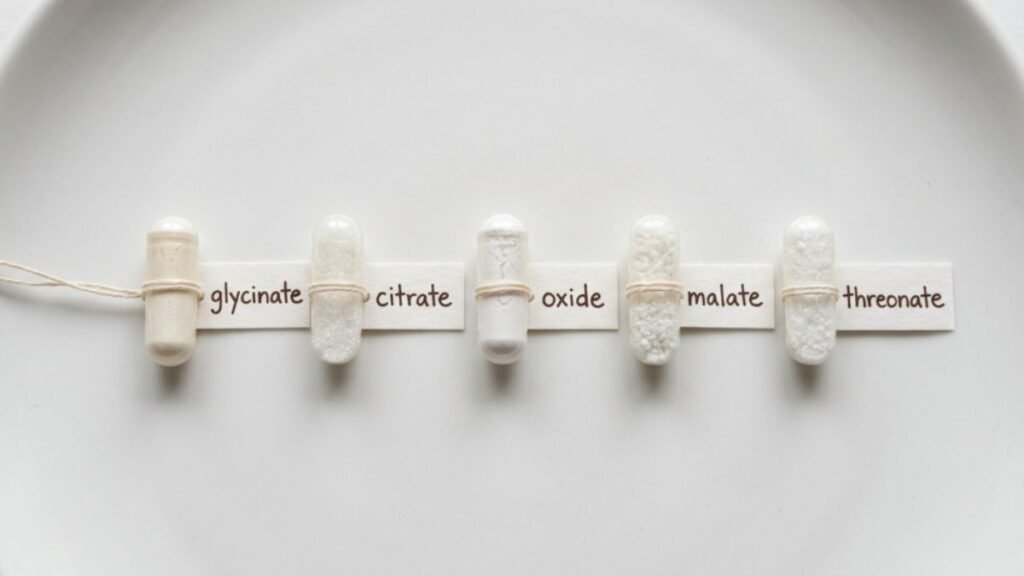
What makes this particularly relevant is the form. Not all magnesium supplements are equal — not even close. Magnesium oxide, the cheapest and most common form, has a bioavailability of around 4%. Magnesium glycinate, by contrast, is chelated to the amino acid glycine, which dramatically enhances intestinal absorption, bypasses the laxative effect common to other forms, and crosses the blood-brain barrier more effectively. For women navigating the hormonal, neurological, and metabolic demands of midlife, this distinction matters enormously.
In this guide, you will find a detailed, evidence-based breakdown of what magnesium glycinate actually does for the female body — by system, by symptom, and by life stage — along with specific dosage guidance, a comparison of magnesium forms, and honest information about what to expect from supplementation.
Why Women Are More Vulnerable to Magnesium Deficiency

Before exploring benefits, it is worth understanding the specific biological reasons women tend to be more magnesium-depleted than men — particularly after 35.
Estrogen, Progesterone, and Magnesium: A Two-Way Relationship
Estrogen and magnesium have a reciprocal regulatory relationship that most women — and many clinicians — are unaware of. Estrogen promotes magnesium uptake into soft tissues and bone. As estrogen levels begin their perimenopausal decline, this uptake mechanism weakens, and magnesium levels in blood and tissue drop accordingly.
At the same time, adequate magnesium is required for the liver enzymes responsible for metabolizing estrogen. When magnesium is depleted, estrogen metabolism becomes less efficient — a contributing factor to the estrogen dominance symptoms (bloating, mood changes, heavy periods, breast tenderness) that many women in their late 30s and 40s experience.
The Monthly Drain: Menstruation and Magnesium
Women with regular menstrual cycles lose meaningful amounts of magnesium each month. Research published in the journal Gynecological Endocrinology found that serum magnesium levels in women drop significantly in the luteal phase (the two weeks before menstruation) and reach their lowest point in the premenstrual period — precisely when PMS symptoms are worst.
This is not a coincidence. The prostaglandins responsible for uterine cramping require magnesium as a co-factor for their regulation. When magnesium is low, prostaglandin activity becomes dysregulated — producing more intense cramping, inflammation, and mood instability.
Stress, Cortisol, and the Magnesium-Depletion Cycle
Cortisol, the primary stress hormone, directly increases urinary magnesium excretion. Every episode of acute stress, and every day of chronic low-grade stress, costs your body magnesium. For women carrying the compounded demands of career, family, and midlife health management, this creates a vicious cycle: stress depletes magnesium, and low magnesium makes the stress response more intense and prolonged.
Attention: If you are under chronic stress and sleeping poorly, your magnesium requirements are significantly higher than the standard RDA of 310–320mg/day for adult women. Standard RDA values do not account for stress-driven depletion.
The 7 Most Evidence-Backed Magnesium Glycinate Benefits for Women
1. Significantly Improved Sleep Quality
This is the benefit most women notice first — and most consistently. Magnesium’s role in sleep is mechanistic, not incidental. It activates the parasympathetic nervous system (your “rest and digest” state), regulates melatonin production, and binds to GABA receptors in the brain — the same receptors targeted by many pharmaceutical sleep aids, but through a natural, non-habit-forming pathway.
A double-blind, randomized controlled trial published in the Journal of Research in Medical Sciences (2012) found that magnesium supplementation in older adults produced statistically significant improvements in sleep efficiency, sleep time, early morning awakening, and insomnia severity scores compared to placebo.
The glycinate form is particularly effective here because glycine itself has independent sleep-promoting properties. Research from the Journal of Pharmacological Sciences found that glycine supplementation before bed reduces core body temperature and improves subjective sleep quality — effects that compound with magnesium’s GABA-modulatory action.
Practical implication: 200–400mg of magnesium glycinate taken 30–60 minutes before bed is the protocol most consistently supported by both research and clinical practice. Results typically become noticeable within 1–2 weeks of consistent use.
2. PMS and Premenstrual Symptom Relief
The evidence base for magnesium in PMS management is robust and has been accumulating since the early 1990s. A landmark study published in the Journal of Women’s Health and Gender-Based Medicine (2000) demonstrated that women supplementing with magnesium over two menstrual cycles reported significant reductions in premenstrual fluid retention, breast tenderness, and mood-related symptoms compared to placebo.
More recent research has focused on the combination of magnesium with vitamin B6, which appears synergistic — B6 enhances magnesium cellular uptake, and together they support serotonin synthesis, which directly governs mood stability in the premenstrual phase.
Practical Tip: If you supplement magnesium glycinate specifically for PMS, timing matters. Start increasing your dose (from 200mg to 300–400mg daily) in the 10–14 days before your expected period — the luteal phase — and return to maintenance dose after menstruation begins.
3. Perimenopause and Menopause Support
Perimenopause is the phase — often beginning in the mid-to-late 40s — where estrogen and progesterone begin their irregular decline. It is one of the most metabolically and neurologically demanding transitions a woman’s body undergoes, and magnesium is involved in nearly every dimension of it.
Sleep disruption: Hot flashes and night sweats fragment sleep architecture. Magnesium glycinate’s GABA-modulating effects help maintain deeper sleep phases even when thermoregulation is disturbed.
Mood and anxiety: Estrogen withdrawal directly reduces serotonin and GABA availability in the brain. Magnesium compensates partly for this reduction by supporting GABA receptor sensitivity.
Bone density: This is underappreciated but critical. Estrogen decline accelerates bone loss, and magnesium is as important as calcium in maintaining bone mineral density. It activates vitamin D (converting inactive D to its active hormone form), regulates calcium transport into bone, and stimulates osteoblast (bone-building cell) activity. Research published in Nutrients (2021) found that adequate magnesium status was independently associated with higher bone mineral density scores in postmenopausal women.
Heart health: Women’s cardiovascular risk rises significantly after menopause. Magnesium regulates heart rhythm, maintains healthy blood pressure by relaxing vascular smooth muscle, and reduces arterial stiffness — mechanisms reviewed extensively in the European Journal of Nutrition.
4. Anxiety and Nervous System Regulation
Anxiety disorders are the most common mental health condition in the United States and affect women at nearly twice the rate of men. Magnesium’s role in anxiety is pharmacologically meaningful: it acts as a natural NMDA receptor antagonist (the same mechanism as some pharmaceutical anxiolytics), reduces the release of stress hormones from the adrenal glands, and supports the production of serotonin.
A systematic review published in Nutrients (2017) analyzing 18 studies concluded that magnesium supplementation reduced anxiety-related outcomes across multiple populations, with the evidence being strongest in individuals with pre-existing magnesium deficiency.
The glycinate form is specifically advantaged here over other forms because glycine has its own anxiolytic properties — it acts as an inhibitory neurotransmitter in the spinal cord and brainstem, promoting calming effects without sedation.
KNOW MORE: Why Am I Always Tired at 40? Causes, Solutions, and What Actually Helps
| Magnesium Form | Anxiety Support | Sleep Support | Digestive Tolerance | Bioavailability |
|---|---|---|---|---|
| Magnesium Glycinate | Excellent | Excellent | Excellent | High (~80%) |
| Magnesium L-Threonate | Good | Good | Good | High |
| Magnesium Citrate | Moderate | Moderate | Fair (laxative effect) | Moderate |
| Magnesium Malate | Moderate | Low | Good | Moderate |
| Magnesium Oxide | Low | Low | Poor (laxative) | Very Low (~4%) |
5. Blood Sugar Regulation and Metabolic Health
Insulin resistance is a growing concern in midlife women, particularly in the perimenopausal and postmenopausal years when estrogen’s protective metabolic effects diminish. Magnesium is a required co-factor for the insulin receptor — without adequate magnesium, insulin signaling is impaired even when insulin levels are normal.
A meta-analysis of 25 randomized controlled trials published in Diabetes Care found that magnesium supplementation produced statistically significant reductions in fasting blood glucose and improvements in insulin sensitivity in individuals with or at risk for type 2 diabetes.
For women who notice worsening blood sugar control, increased carbohydrate cravings, or difficulty managing weight in their 40s and 50s, magnesium deficiency is a frequently overlooked contributing factor.
Best Practice: For metabolic support, magnesium glycinate taken with meals rather than at bedtime produces the strongest effect on post-meal glucose regulation. A dose of 200mg with dinner has shown consistent results in research on blood sugar management.
6. Migraine Prevention
Women are three times more likely than men to suffer from migraines, and the hormonal component — particularly the estrogen fluctuations in the perimenopausal period — significantly increases frequency. The relationship between magnesium and migraines is among the most clinically validated in the supplement literature.
Research published in Headache: The Journal of Head and Face Pain documented that migraine sufferers consistently show lower serum and brain magnesium levels than non-sufferers. Multiple clinical trials have demonstrated that magnesium supplementation (400–600mg daily) reduces migraine frequency by 30–40% in chronic sufferers.
The American Headache Society and the American Academy of Neurology have both included magnesium in their clinical guidelines as a Grade B recommendation for migraine prevention — one of the few supplements to receive this level of formal clinical endorsement.
7. Muscle Recovery, Cramps, and Physical Performance
Magnesium is required for every muscle contraction and relaxation cycle in the body. Without adequate magnesium, calcium-mediated muscle contraction cannot be properly counterbalanced, producing persistent tension, cramping, and slow recovery after physical activity.
For women in their 40s and 50s who are incorporating resistance training or yoga into their health routines — both of which are strongly recommended for bone density and metabolic health — magnesium glycinate meaningfully reduces delayed onset muscle soreness (DOMS), supports post-exercise recovery, and prevents the nighttime leg cramps that many midlife women experience.
How to Choose a High-Quality Magnesium Glycinate Supplement

Not all magnesium glycinate products deliver what they promise. Here is what to look for:
- Verify chelation, not blending. True magnesium glycinate is a chelated compound where magnesium is chemically bound to glycine. Some products label themselves as “magnesium glycinate” but contain a blend of magnesium oxide and glycine — which is not the same thing. Look for “magnesium bis-glycinate” or “magnesium diglycinate” on the label for confirmation of true chelation.
- Check elemental magnesium content. The label may list 1,000mg of “magnesium glycinate” but only 100–140mg of elemental magnesium (the amount your body actually uses). Always compare elemental magnesium content across products, not the total compound weight.
- Avoid unnecessary additives. High-quality magnesium glycinate supplements should not require magnesium stearate, artificial colorings, or fillers. Capsule form is generally preferable to tablet form for purity.
- Look for third-party testing. NSF Certified for Sport, USP Verified, or Informed Sport certification indicates the product has been independently verified for label accuracy and purity.
- Start with a modest dose. Even though magnesium glycinate is well-tolerated, begin with 100–200mg daily and increase gradually over 1–2 weeks to your target dose. This allows your digestive system to adjust.
Attention: If you take any prescription medications — particularly antibiotics (quinolones, tetracyclines), bisphosphonates (for osteoporosis), diuretics, or proton pump inhibitors — speak with your pharmacist before beginning magnesium supplementation. Several of these medications interact meaningfully with magnesium absorption or excretion.
Dosage Guide: How Much Magnesium Glycinate Do Women Actually Need?
The Recommended Dietary Allowance (RDA) for magnesium in adult women is 310–320mg per day from all sources. However, RDA figures represent the minimum to prevent deficiency — not the optimal amount for someone dealing with chronic stress, poor sleep, perimenopause, or active health goals.
| Life Stage / Goal | Suggested Daily Dose (Elemental Mg) | Timing |
|---|---|---|
| General wellness and prevention | 200–300mg | With dinner or before bed |
| Sleep improvement | 300–400mg | 30–60 min before bed |
| PMS and cycle support | 300–400mg (luteal phase) | With meals |
| Perimenopause support | 300–400mg | Split: morning + evening |
| Migraine prevention | 400–600mg | Divided doses with meals |
| Anxiety and stress management | 200–400mg | Evening |
| Blood sugar and metabolic support | 200–300mg | With largest meal |
Note: Doses above 350mg/day from supplementation alone should be discussed with a healthcare provider, particularly for individuals with kidney disease or significantly impaired renal function.
What to Expect: A Realistic Timeline
One of the most common frustrations with magnesium supplementation is impatience. Unlike pharmaceutical drugs, which often act within hours, nutrients work by gradually restoring cellular stores — a process that takes time.
- Week 1–2: Many women notice improved sleep quality and reduced nighttime waking first. Leg cramps, if present, typically diminish during this phase.
- Week 2–4: Anxiety levels and stress reactivity often begin to improve. Energy stability during the day becomes more consistent.
- Week 4–8: PMS symptom reduction becomes noticeable across a full menstrual cycle. Blood sugar improvements become measurable.
- Month 3 and beyond: Bone density, cardiovascular, and metabolic benefits operate on longer timelines and are best evaluated through periodic blood work and clinical monitoring.
Conclusion
Magnesium glycinate is not a trend supplement. It is a foundational intervention for women who want to address some of the most common and debilitating symptoms of midlife with a tool that is safe, well-researched, and — when chosen correctly — highly effective.
The key takeaways from everything covered here: the glycinate form matters because of its superior bioavailability and tolerability; most women in their 40s and 50s are deficient without knowing it; the benefits span sleep, hormones, anxiety, bone health, blood sugar, and migraine prevention; and results are real but require consistency over weeks, not days.
If you have been struggling with broken sleep, perimenopausal symptoms, PMS, or persistent anxiety and have never seriously addressed your magnesium status — this is where to start. Get your levels checked, choose a quality chelated product, and give it at least six weeks before drawing conclusions. The evidence, and the lived experience of thousands of women who have made this change, suggests the results will speak clearly for themselves.
Frequently Asked Questions
What is the difference between magnesium glycinate and regular magnesium?
“Regular magnesium” in most supplements means magnesium oxide — the cheapest and least bioavailable form, with absorption rates as low as 4%. Magnesium glycinate is chelated to the amino acid glycine, producing absorption rates of approximately 80%, superior nervous system effects, and virtually no laxative side effects. For women dealing with sleep, anxiety, hormonal, or muscle-related symptoms, glycinate is consistently the most appropriate form.
How long does it take for magnesium glycinate to work?
Sleep improvements are typically the first to appear, often within 1–2 weeks of consistent nightly dosing. PMS and hormonal benefits require at least one full menstrual cycle — generally 4–6 weeks. Anxiety reduction tends to emerge in the 2–4 week range. For bone density and metabolic benefits, a minimum of 3–6 months is required, and outcomes should be tracked through clinical monitoring.
Can I take magnesium glycinate every day?
Yes, daily use is both safe and recommended for most adults. Unlike many supplements, magnesium cannot be meaningfully stored — cellular stores deplete continuously and must be replenished through diet and supplementation. Daily supplementation is particularly appropriate for women under chronic stress, in perimenopause, or with dietary patterns that do not reliably provide 300mg+ of magnesium from food.
Does magnesium glycinate help with weight loss?
Not directly, but its role in metabolic health is significant. By improving insulin sensitivity, supporting deep sleep (which regulates hunger hormones leptin and ghrelin), and reducing cortisol-driven fat storage, magnesium glycinate addresses several of the hormonal mechanisms that make weight management harder after 40. It is a metabolic support tool, not a weight loss supplement.
What are the side effects of magnesium glycinate?
Magnesium glycinate is one of the most well-tolerated supplemental forms available. The most common side effect — loose stools — occurs far less frequently than with magnesium oxide or citrate. In rare cases, high doses (600mg+ elemental magnesium daily) may cause nausea or drowsiness. Women with kidney disease should consult their doctor before supplementing, as impaired kidneys cannot efficiently excrete excess magnesium.
Can magnesium glycinate help with hot flashes?
Directly, no — magnesium does not regulate hot flash frequency the way HRT or certain pharmaceuticals do. Indirectly, however, magnesium meaningfully supports the systems most disrupted by hot flashes: it improves sleep quality (reducing the impact of night sweats on rest), supports GABA activity (reducing anxiety and mood instability), and regulates the stress response — all of which are significantly affected during perimenopause.
What foods are high in magnesium for women who prefer food-first approaches?
The richest dietary sources of magnesium are dark leafy greens (1 cup of cooked spinach provides approximately 157mg), pumpkin seeds (1 oz = 156mg), black beans (1 cup cooked = 120mg), dark chocolate 70%+ (1 oz = 64mg), avocado (1 medium = 58mg), and wild-caught salmon (3 oz = 26mg). While a food-first approach is always ideal, consistently reaching 300–400mg daily from food alone — particularly on a modern Western diet — is challenging for most women.