
Health and Longevity After 40: A Complete and Reliable Guide
Reaching the age of 40 marks an important transition in life. Many people begin to notice changes in their bodies, metabolism, physical energy, and even mental clarity. Discomforts that once resolved quickly may become more frequent, sleep often requires greater attention, and weight management no longer feels automatic. This stage naturally raises valid questions about health and longevity after 40, especially for those who want to age with autonomy, quality of life, and genuine well-being.
Around the world, demographic data shows a steady increase in the population aged 40, 50, and beyond, accompanied by a rise in chronic conditions linked to lifestyle, such as hypertension, type 2 diabetes, obesity, and joint problems. At the same time, interest in preventive health, evidence-based habits, and sustainable longevity strategies has grown significantly — with a clear shift from merely living longer to living better.
In practice, over years of analyzing studies, real-world experiences, and long-term outcomes, one pattern becomes clear: people who adopt gradual, sustainable changes consistently achieve better results than those who pursue quick or extreme solutions. Small daily decisions, applied consistently, tend to generate profound medium- and long-term benefits.
In this complete guide, you will understand what truly changes in the body after 40, which pillars deserve special attention, how to build a realistic care routine, and what current science indicates as essential to promote health and longevity after 40 in a safe, ethical, and sustainable way.
What Changes in the Body After 40
From the fourth decade of life onward, the body undergoes natural transformations that are part of the aging process. Understanding these changes is the first step toward managing them intelligently and preventively.
Slower metabolism and body composition changes
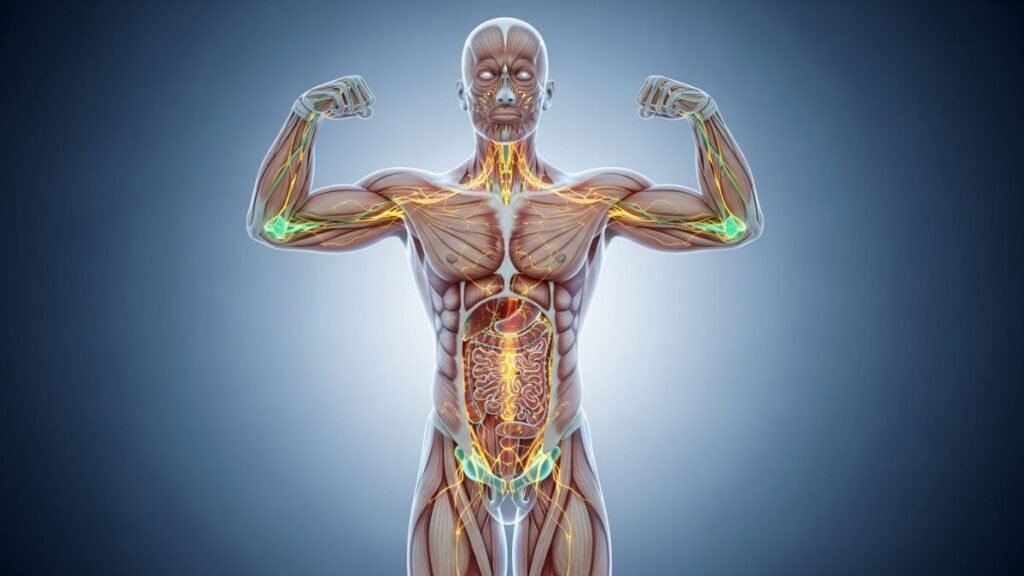
One of the most noticeable changes is the gradual reduction in basal metabolic rate. In practical terms, the body burns fewer calories at rest. At the same time, there is a natural tendency toward muscle loss, known as sarcopenia, which may begin subtly in the early 40s.
This combination favors fat gain, particularly in the abdominal region, even when eating habits appear unchanged.
Progressive hormonal changes
Both men and women experience important hormonal shifts. In women, the transition toward menopause can begin years before its final stage, affecting sleep, mood, bone density, and metabolism. In men, a gradual decline in testosterone levels may influence energy, muscle strength, and motivation.
Cardiovascular system and inflammation
As we age, blood vessels tend to lose elasticity, and low-grade chronic inflammation becomes more common. These factors are associated with increased cardiovascular risk, especially when combined with sedentary behavior, poor nutrition, and chronic stress.
Attention: Ignoring these changes and maintaining habits from early adulthood often leads to silent consequences that may only become apparent years later.
Strategic Nutrition for Health and Longevity After 40
Nutrition plays an even more central role after 40. This is not about following fad diets, but about aligning food choices with the body’s new metabolic reality.

Nutrient density over quantity
With a slower metabolism, nutrient density becomes essential. Each meal should provide meaningful nourishment, not just calories.
Foods that deserve priority:
- High-quality protein sources to support muscle maintenance
- Dietary fiber for blood sugar control and gut health
- Healthy fats linked to cardiovascular and brain health
- Key micronutrients such as calcium, magnesium, vitamin D, and B-complex vitamins
Glycemic control and inflammation
After 40, the body often becomes less tolerant of blood sugar spikes. Reducing ultra-processed foods, added sugars, and refined flours helps prevent insulin resistance and chronic inflammation. When discussing health and longevity after 40, it becomes clear that sustainable habits matter far more than short-term solutions.
Practical Tip: Many people report noticeable improvements in energy and mental clarity when they prioritize protein and fiber at breakfast.
Adequate hydration
The sensation of thirst may decline with age, but hydration needs remain. Proper hydration supports joint health, cognitive function, digestion, and blood pressure regulation.
Physical Activity as a Tool for Functional Longevity
Staying active after 40 is no longer optional for those who want to age with independence. The good news is that it is never too late to start.

Muscle strength as a priority
Strength training helps counter muscle loss, strengthens bones, and improves metabolic health. Extreme intensity is not required — consistency matters more than intensity.
Aerobic activity and heart health
Walking, cycling, swimming, and dancing support cardiovascular health, weight management, and mental well-being.
Mobility and pain prevention
Stretching, mobility exercises, and practices such as yoga or Pilates help preserve joint health and reduce chronic pain.
Best Practice: A balanced combination of strength, cardio, and mobility typically delivers the best long-term outcomes.
Sleep, Stress, and Their Impact on Healthy Aging
Sleep and stress are often underestimated, yet they directly influence longevity and overall health.

Changes in sleep patterns
Sleep often becomes lighter or more fragmented after 40. Chronic sleep deprivation is linked to weight gain, impaired memory, and higher cardiovascular risk.
Chronic stress and inflammation
Persistently high stress levels increase cortisol release, a hormone associated with abdominal fat accumulation and systemic inflammation.
Strategies that often help:
- Maintaining a consistent sleep routine
- Reducing screen exposure at night
- Practicing breathing or relaxation techniques
- Engaging in pleasurable and social activities
Attention: Normalizing extreme fatigue as “just aging” can hide preventable issues.
Strategic Nutrition for Health and Longevity After 40 and Beyond
Longevity is not only about physical health. Mental and cognitive well-being deserve continuous care.

Keeping the brain active
Learning new skills, reading, writing, and maintaining social interaction are associated with cognitive preservation.
Emotions, purpose, and well-being
A sense of purpose, emotional balance, and social connection strongly influence quality of life and may even affect lifespan.
Practical Tip: People who maintain personal projects or hobbies often report higher vitality and satisfaction after 40 and 50.
Preventive Care and Checkups: Investing Before Symptoms Appear
Prevention becomes even more relevant in midlife.
Routine exams and monitoring
Regular follow-ups allow early identification of changes before they evolve into serious conditions.
Common areas to monitor include:
- Blood pressure
- Lipid profile
- Blood glucose
- Bone health
- Hormonal function, when appropriate
Best Practice: Having a trusted healthcare professional familiar with your history supports more accurate long-term decisions.
Simple Habits That Make a Big Difference Over Time
Small daily choices often generate powerful cumulative effects.
Habits commonly associated with healthy longevity:
- Eating mindfully and regularly
- Maintaining daily movement
- Sleeping adequately
- Reducing alcohol and tobacco use
- Cultivating social relationships
Practical Tip: Sustainability matters more than perfection. Small, consistent changes tend to last.
Conclusion
Caring for health and longevity after 40 does not mean fighting aging, but learning how to age better. Understanding natural body changes, adjusting nutrition, staying physically active, protecting sleep, and nurturing emotional health form the foundation for the years ahead.
Over time, people who adopt a preventive, informed approach tend to maintain greater autonomy, energy, and quality of life. This is not about miracle solutions, but about making conscious, evidence-based choices.
If this content was helpful, consider saving it, sharing it with others in this stage of life, and gradually applying what fits your reality. Healthy longevity is built one day at a time.
Important Notice: This article is for informational and educational purposes only. The information provided does not replace guidance from a qualified healthcare professional. For personal health decisions, always consult a licensed physician, nutritionist, or healthcare provider.
FAQ – Frequently Asked Questions about Health and Longevity After 40
Is it possible to improve health and longevity after 40 even when starting later?
Yes. Research consistently shows that lifestyle changes initiated after 40 still deliver meaningful benefits. The body responds positively to improved nutrition, physical activity, and sleep, even when changes begin later in life.
How long does it take to notice results?
Some benefits, such as improved energy and sleep quality, may appear within weeks. Others, like body composition and metabolic health, usually require months of consistency.
Is intense exercise necessary?
No. Regularity matters more than intensity. Adapted, sustainable exercise routines tend to be safer and more effective over time.
Is an annual checkup enough?
It depends on individual health history. Some people benefit from more frequent monitoring, based on professional guidance.
Are supplements mandatory after 40?
No. Supplements may be useful in specific situations, but they should always be considered on an individual basis with proper guidance.

Sarah Mitchell is a health and wellness writer specializing in longevity, natural supplementation, and healthy aging for adults over 40. With a background in nutrition sciences and years of research into evidence-based approaches to long-term well-being, she founded Sowing Healthy to provide honest, research-grounded guidance for people navigating the health changes that come with midlife. Sarah believes that good health is built gradually — through the right information, consistent habits, and supplements that actually earn their place.